

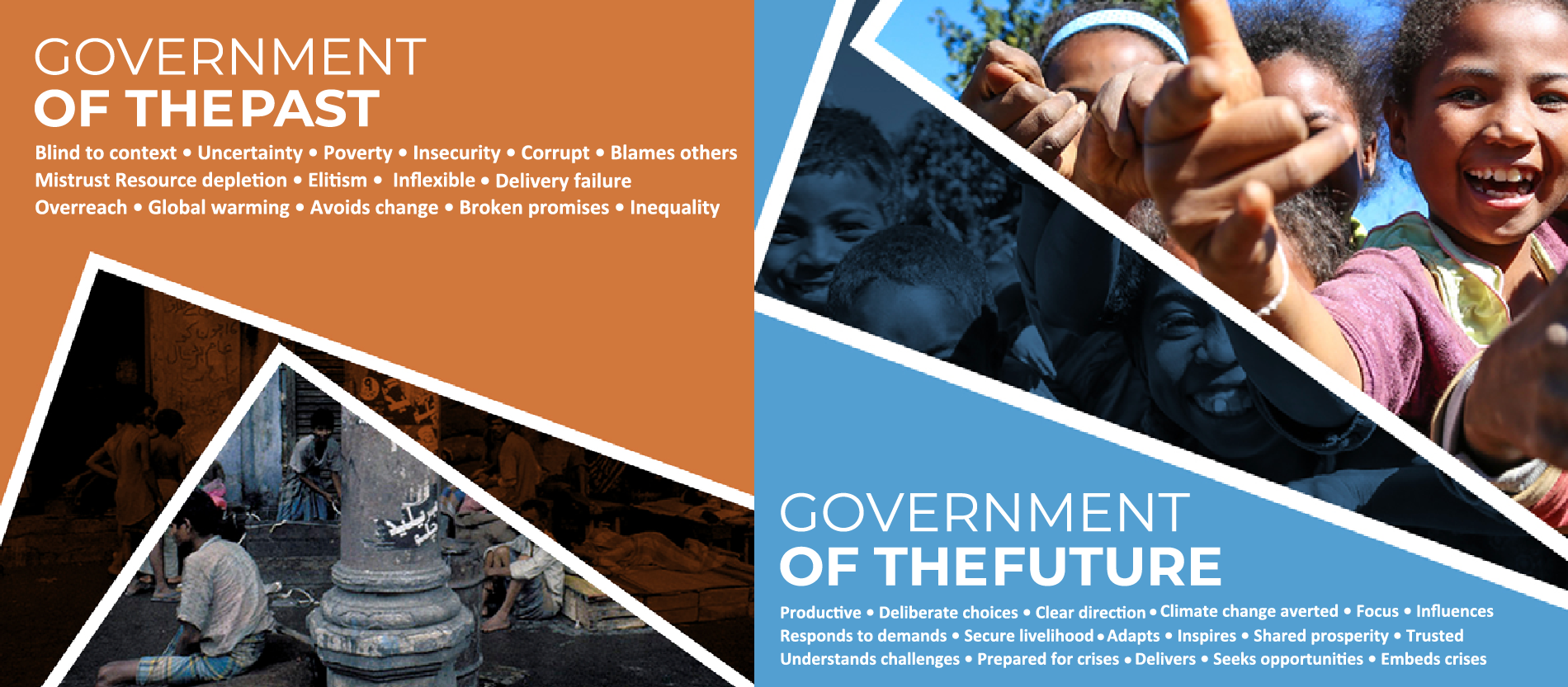
Global politics is entering a fast-changing era where government decisions are no longer limited to borders. Economic policies, digital regulations, climate agreements, and defense strategies are reshaping how countries interact with each other. In today’s interconnected world, even a single policy shift can influence global trade, international relations, and political stability. Understanding these government moves is important for anyone who wants to follow the future direction of world politics and global governance.
Economic Policies Reshaping Global Power Balance
Trade Regulations and International Agreements
Modern governments are actively revising trade regulations to protect local industries while maintaining global partnerships. These changes in international trade agreements are influencing supply chains, import-export dynamics, and global market access. As countries adjust tariffs and trade rules, global politics becomes more competitive, creating new alliances and economic tensions between major powers.
Currency Strategies and Financial Influence
Government control over currency value and monetary policy plays a major role in shaping global economic strength. Central banks and financial institutions are adopting new strategies to stabilize inflation and manage economic growth. These currency decisions often affect global investment flows and determine how powerful a country appears in international financial systems.
Digital Economy Regulations
The rise of digital economies has pushed governments to introduce strict regulations on online businesses, cryptocurrencies, and fintech platforms. These policies aim to balance innovation with financial security. As digital markets grow, government control over technology-driven economies is becoming a key factor in global political influence.
Technological Governance and Digital Control
Data Privacy and Cybersecurity Laws
Governments are strengthening data privacy laws to protect citizens from cyber threats and digital misuse. These cybersecurity policies are shaping how companies collect, store, and use personal information. Stronger digital laws are also becoming a tool for political control and international negotiation in global politics.
Artificial Intelligence Regulations
Artificial intelligence is now a major focus for governments worldwide. New AI regulations are being introduced to ensure ethical development, reduce bias, and control automation risks. These policies are influencing global competition in technology leadership and shaping the future of digital governance systems.
Internet Governance and Digital Borders
Countries are increasingly controlling internet access, digital platforms, and online content regulations. This concept of digital borders is changing how information flows across nations. As governments strengthen their control over cyberspace, global communication and political narratives are also being reshaped.
Climate and Security Policies Changing International Relations
Climate Agreements and Global Cooperation
Climate-focused government policies are becoming central to international cooperation. Nations are working together to reduce emissions, manage environmental risks, and promote sustainable development. These agreements are influencing diplomatic relationships and creating new political alliances based on environmental responsibility.
Defense Spending and Military Alliances
Many governments are increasing defense budgets and strengthening military alliances to secure national interests. These decisions are directly affecting global power structures and geopolitical stability. Shifts in defense policies often lead to new strategic partnerships or increased tensions between major countries.
Energy Transition and Resource Control
The global shift toward renewable energy is changing how countries compete for resources. Governments are investing heavily in clean energy technologies to reduce dependence on fossil fuels. This transition is reshaping global energy politics and influencing long-term economic and strategic decisions.
FAQs
1. How do government decisions affect global politics?
Government policies influence trade, security, and international relations, shaping how countries interact globally.
2. Why is digital regulation important in modern politics?
Digital regulation helps control cybersecurity risks, data privacy, and technological power between nations.
3. What role does climate policy play in global relations?
Climate policies encourage international cooperation and influence diplomatic partnerships between countries.
4. How does economic policy impact global power?
Economic decisions like trade rules and currency management affect a country’s global influence and stability.
5. Why are defense policies important in global politics?
Defense strategies determine national security strength and shape international alliances and conflicts.
Conclusion
Government decisions today are no longer isolated actions; they are powerful forces shaping the future of global politics. From economic reforms and digital governance to climate policies and defense strategies, each move contributes to a shifting global order. As nations continue to adapt to rapid technological and environmental changes, understanding these government actions becomes essential for predicting future political trends and international relationships.