

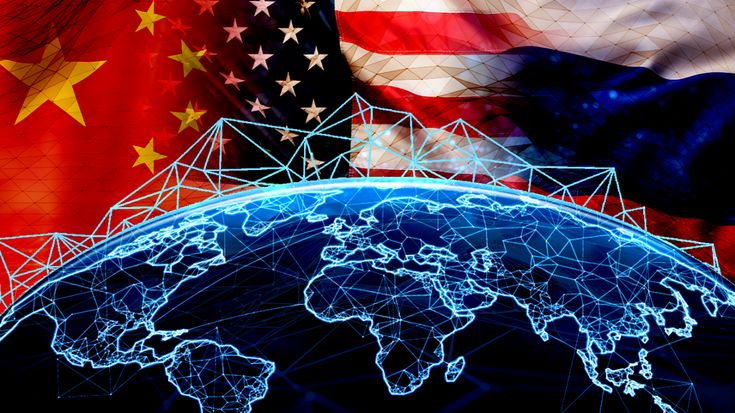
Global politics is going through one of the most important transformation periods in recent history. Power is no longer concentrated in a few traditional nations; instead, influence is shifting across regions, economies, and alliances. These global political changes are shaping trade, security, energy, and international relations in ways that affect every country. Understanding these power shifts is essential for anyone who wants to stay informed about the modern world and its future direction.
Changing Global Power Balance
Rise of Emerging Economies
The global political landscape is increasingly influenced by emerging economies that are gaining stronger economic and diplomatic positions. Countries in Asia, Africa, and Latin America are expanding their global presence through trade partnerships, technological growth, and strategic alliances. This shift is reducing the dominance of traditional Western powers and creating a more balanced global system. As a result, international decision-making is becoming more diverse and competitive, with multiple voices shaping global policies.
Decline of Traditional Dominance
Traditional global powers are still influential, but their control over international affairs is gradually weakening. Economic challenges, internal political divisions, and shifting public priorities have reduced their global influence compared to previous decades. This change is not sudden but slow and steady, allowing new powers to step in and reshape international leadership. The decline does not mean disappearance but rather a redistribution of influence across multiple global actors.
Multipolar World Structure
The world is moving toward a multipolar system where no single country dominates global politics. Instead, power is shared among several strong nations and regional blocs. This structure increases competition but also encourages cooperation on global issues such as climate change, trade regulations, and security concerns. A multipolar world is more complex but also more balanced, making diplomacy more important than ever before.
Geopolitical Alliances and Strategic Shifts
Strengthening Regional Alliances
Regional alliances are becoming more powerful as countries focus on nearby partnerships for economic and security reasons. These alliances help nations protect their interests, improve trade relations, and increase political stability. Groups of countries are working together to strengthen their collective influence in global discussions, making regional cooperation a key factor in modern geopolitics.
Shifting Military Partnerships
Military alliances are evolving as global threats and priorities change. Countries are revising defense agreements, increasing joint military exercises, and investing in advanced security technologies. These shifts reflect growing concerns about cyber threats, territorial disputes, and global instability. As a result, military partnerships are becoming more flexible and strategically focused on modern challenges.
Diplomatic Realignments
Diplomatic relationships between countries are changing rapidly due to economic interests and political strategies. Nations are forming new partnerships while reconsidering older alliances. This realignment is driven by the need for stronger trade ties, energy security, and technological cooperation. Diplomatic flexibility has become a key feature of modern international relations.
Economic and Technological Power Shifts
Global Trade Restructuring
International trade systems are undergoing significant restructuring as countries seek more control over supply chains and economic independence. Trade routes are being diversified, and nations are reducing reliance on single partners. This shift is creating a more competitive global market where economic strength is closely linked to political influence.
Technology Leadership Competition
Technology has become a major factor in global power competition. Countries are investing heavily in artificial intelligence, semiconductor production, and digital infrastructure. Technological leadership now directly affects national security, economic growth, and global influence. The race for innovation is shaping the future of global politics more than ever before.
Energy Security Transitions
Energy resources are a central issue in global political shifts. Countries are moving toward renewable energy while still managing traditional energy dependencies. This transition is influencing international relationships, especially between energy-producing and energy-consuming nations. Energy security has become a top priority in shaping global alliances and policies.
Global Security and Future Outlook
Cybersecurity and Digital Warfare
Cybersecurity threats are becoming a major concern in global politics. Nations are investing in digital defense systems to protect critical infrastructure and sensitive information. Cyber warfare has added a new dimension to international conflict, making digital security a key part of national defense strategies.
Conflict Zones and Stability Issues
Ongoing conflicts in certain regions continue to impact global stability. These tensions influence international trade, refugee movements, and diplomatic relations. Global powers are often involved in mediation efforts to prevent escalation and maintain balance in sensitive regions.
Future of International Cooperation
Despite rising tensions, international cooperation remains essential. Countries continue to work together on global issues such as climate change, health crises, and economic stability. The future of global politics will depend on how well nations balance competition with cooperation in an increasingly interconnected world.
FAQs
1. What does global political shake-up mean?
It refers to major changes in how global power is distributed among countries and regions.
2. Why are global power shifts happening now?
They are driven by economic growth in emerging nations, technological change, and shifting alliances.
3. What is a multipolar world?
A multipolar world is a system where multiple countries share global influence instead of one dominant power.
4. How does global politics affect everyday life?
It impacts trade, prices, security, and international relations that influence daily life.
5. Which factor is most important in modern geopolitics?
Technology, economy, and military strength all play key roles in shaping global politics today.
Conclusion
Global politics is entering a new era defined by shifting power structures, evolving alliances, and rapid economic and technological change. The traditional dominance of a few nations is giving way to a more complex and interconnected global system. Understanding these changes is important for staying informed about world events and future trends. As the global landscape continues to evolve, cooperation, adaptability, and strategic thinking will shape the direction of international relations in the years ahead.