

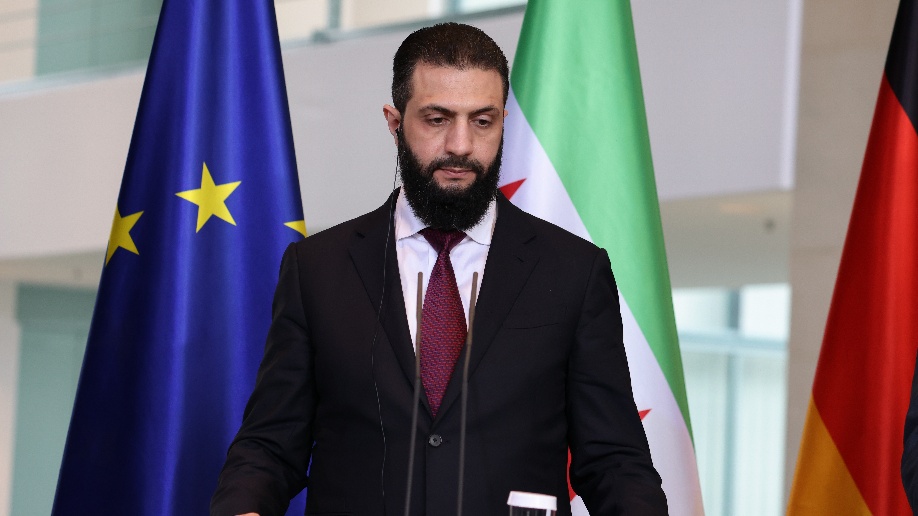
Global politics is entering a period of rapid transformation, where new political developments are reshaping international relations, economic strategies, and diplomatic priorities. From shifting alliances to policy changes in major economies, governments across the world are responding to evolving geopolitical pressures. These changes are not isolated—they are interconnected, influencing trade, security, and global stability in significant ways.
Rising Geopolitical Tensions and Their Global Impact
Shifts in International Alliances
In recent years, international alliances have started to shift as countries reassess their strategic interests. Traditional partnerships are being reviewed, and new collaborations are emerging based on economic and security needs. These changes are influencing global diplomacy, making relationships between nations more dynamic and sometimes unpredictable.
Increasing Diplomatic Pressure Between Major Powers
Diplomatic tensions between major global powers are rising due to competing interests in trade, defense, and technology. These pressures often result in policy disagreements and negotiations that shape global decision-making. As countries prioritize national interests, international cooperation becomes more complex and requires careful negotiation.
Impact on Global Peace and Stability
The rise in geopolitical tensions is affecting global peace and stability. Regions experiencing political uncertainty often face economic disruptions and security challenges. International organizations are working to mediate conflicts, but the evolving nature of global politics makes long-term stability harder to maintain.
Economic Policy Changes Reshaping Global Markets
Inflation Control and Monetary Policy Adjustments
Many nations are revising their monetary policies to control inflation and stabilize their economies. Central banks are adjusting interest rates and implementing financial measures to balance economic growth with price stability. These decisions have a direct impact on global financial markets and investor confidence.
Trade Agreements Under Revision
Existing trade agreements are being reevaluated as countries seek more favorable economic terms. Governments are focusing on protecting domestic industries while maintaining international trade relationships. This shift is leading to renegotiations that affect global supply chains and market accessibility.
Rising Economic Nationalism
Economic nationalism is becoming more prominent as countries prioritize local production and reduce dependency on imports. While this approach strengthens domestic industries, it also creates challenges for global trade cooperation and international economic integration.
Technology, Security, and Political Transformation
Cybersecurity and Digital Governance Policies
With the rise of digital systems, governments are strengthening cybersecurity policies to protect national infrastructure. Cyber threats have become a major concern, pushing countries to invest in digital defense systems and stricter regulations for online platforms.
Technology Competition Among Nations
Technological advancement has become a key area of global competition. Countries are investing heavily in artificial intelligence, semiconductor production, and digital innovation. This competition is shaping new political dynamics as technological leadership becomes a strategic advantage.
Data Privacy and Global Regulations
Data privacy laws are evolving as governments aim to protect citizens’ digital information. Different regions are adopting varying standards, creating challenges for global tech companies operating across multiple jurisdictions. These regulations are influencing how data is collected, stored, and used worldwide.
Social Movements and Political Change Across Regions
Public Demand for Policy Reform
Across many nations, public demand for political reform is increasing. Citizens are calling for transparency, better governance, and improved economic opportunities. These demands are influencing policy decisions and shaping political agendas.
Youth Participation in Politics
Young populations are becoming more politically active, using digital platforms to express opinions and mobilize support for change. This shift is influencing election outcomes and encouraging governments to address youth-related issues more seriously.
Changing Media Influence on Political Awareness
Media platforms are playing a major role in shaping political awareness. Digital news, social media, and online discussions are influencing how people understand political developments. This has increased both awareness and polarization in some regions.
FAQs
1. What are global political developments?
They are changes in international policies, alliances, and government decisions that affect global relations.
2. Why are political developments important?
They influence economic stability, international trade, and global peace.
3. How do political changes affect the economy?
They impact inflation, trade agreements, and investor confidence worldwide.
4. What role does technology play in politics?
Technology affects cybersecurity, communication, and international competition.
5. Are global alliances changing?
Yes, many countries are forming new partnerships based on current strategic interests.
Conclusion
New political developments across global nations are reshaping the world in significant ways, influencing diplomacy, economics, technology, and social structures. As countries adapt to these changes, the global landscape continues to evolve toward a more complex and interconnected system. Understanding these shifts is essential for staying informed about international trends and their long-term impact on global stability.