

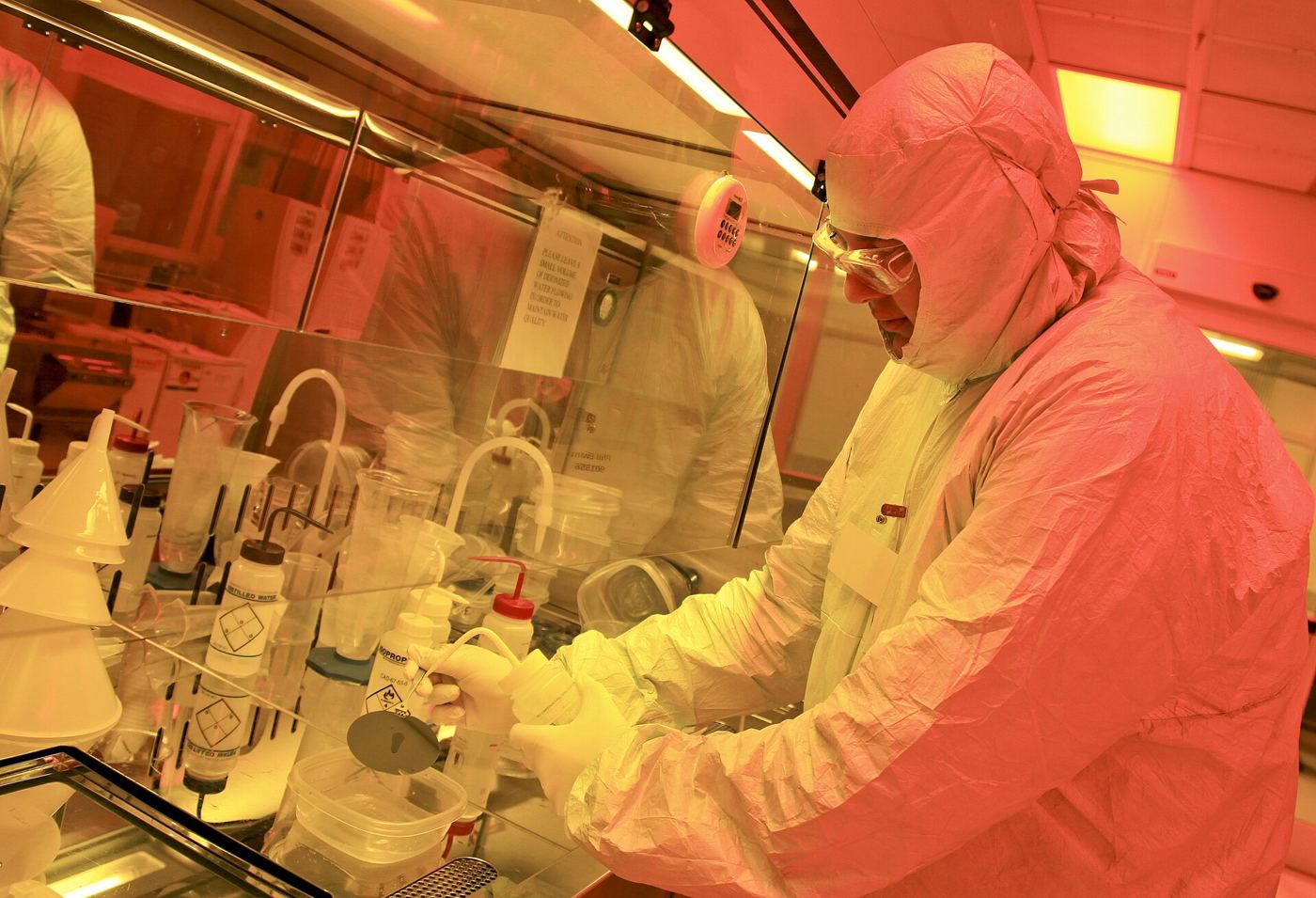
Making a modern computer chip begins in one of the cleanest rooms on Earth. Inside a semiconductor clean room, the air is filtered continuously and workers wear full protective suits, not mainly to protect themselves, but to protect the product. A single speck of dust, invisible to the eye, can ruin the delicate patterns being printed onto a silicon wafer. Staff move slowly and deliberately, following strict routines for entering, handling materials and cleaning surfaces. Even the lighting is chosen carefully for the light-sensitive processes involved. The atmosphere feels closer to an operating theatre than a factory, and that discipline is exactly the point. Visitors experience the discipline immediately. They must step through air showers, change into borrowed suits and leave phones, watches and notebooks outside. From a viewing gallery, the production floor looks calm and almost slow, yet each wafer moving between machines represents many hours of precise processing still to come.
What the Evidence Shows
Training for clean room work takes time, because every habit has to change. Workers learn how to gown up in the correct order, how to pass tools through airlocks, and why ordinary paper, cosmetics and hurried movements are banned inside. Automated systems monitor particle counts and raise an alarm if levels drift. Much of the handling is done by machines sealed inside their own cabinets, reducing human contact still further. Despite the automation, skilled technicians remain essential for maintenance, inspection and solving unusual problems. Their careful routines underpin everything from smartphones to medical scanners that the rest of the world takes for granted. The cost of contamination explains the obsession. Losing a batch of wafers late in production wastes weeks of work and materials, so prevention is always cheaper than rescue. Clean room teams therefore treat every alarm, however minor, as information worth recording. Patterns in those records point to ageing filters, busy periods or steps that need redesign. Reporting and analysis from sources such as MIT Technology Review track the same developments, and specialists following semiconductor clean room say the direction is now consistent across independent lines of evidence.
The Wider Context
The wider context is an industry learning to ship capability and restraint together. Products built around semiconductor clean room now launch with safety evaluations, usage data and rollback plans as standard, because enterprise buyers and regulators ask for them in the first meeting. Companies that treated those questions as friction are discovering they have become the purchase criteria.
What Happens Next
What happens next for semiconductor clean room depends less on another breakthrough than on the unglamorous work of reliability, pricing and support. The buyers evaluating it now are not enthusiasts; they are operators with budgets and auditors, and their checklists will decide the timeline. On the evidence of the current pilots, the technology has earned the right to be judged by them. You can follow related developments in our coverage of technology.
There is a practical lesson in all of this for readers deciding what to do today. Start with the verified facts, be wary of anyone promising certainty, and prefer reversible steps while the evidence is still developing. Circumstances differ by country, income and personal situation, so general guidance should always be weighed against your own context before you act on it in any significant or lasting way.
