

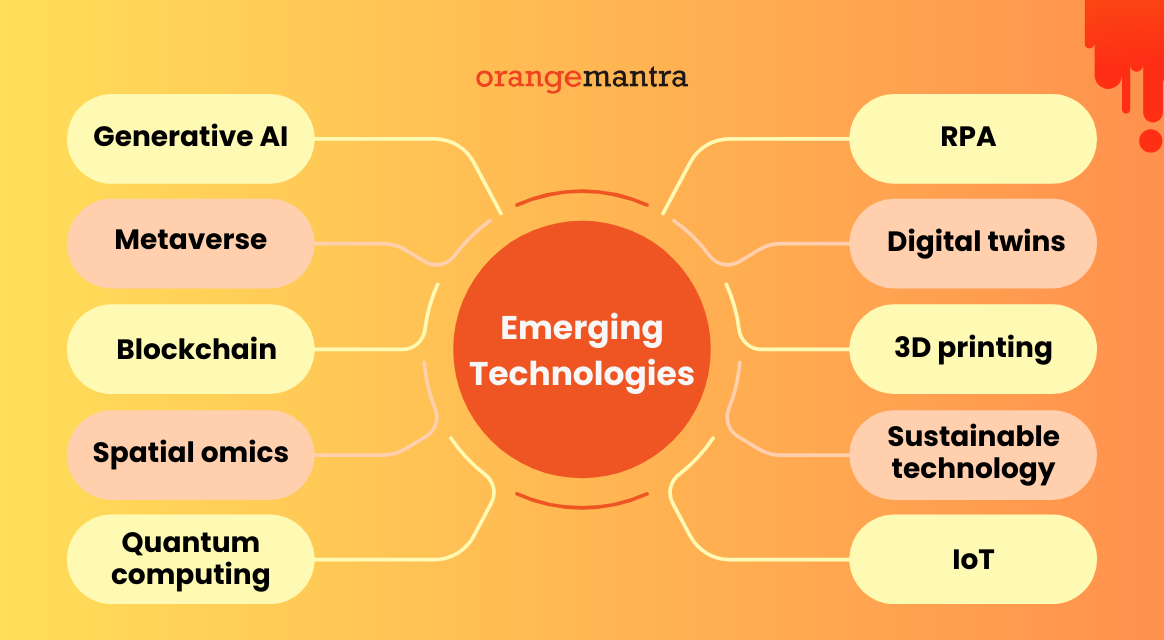
The world is changing faster than ever before, driven by rapid innovation in digital systems, artificial intelligence, automation, and advanced computing. These emerging technologies are not only improving how businesses operate but also transforming daily life, communication, healthcare, education, and global economies. From smart machines that learn on their own to connected devices that share real-time data, technology is reshaping every industry at a deep level. Understanding these changes is important for anyone who wants to stay relevant in today’s digital era, whether as a student, professional, or entrepreneur.
Artificial Intelligence and Machine Learning Revolution
AI-Powered Decision Making
Artificial Intelligence (AI) is now one of the most powerful emerging technologies redefining how the world works. AI systems can analyze large amounts of data and make decisions faster than humans. Businesses use AI to predict customer behavior, improve services, and automate complex tasks. This reduces errors and increases efficiency across industries. The ability of AI to learn and adapt makes it a core part of modern digital transformation.
Machine Learning Automation Systems
Machine Learning (ML), a branch of AI, allows systems to improve automatically without being explicitly programmed. These systems identify patterns in data and use them to make predictions. ML is widely used in recommendation systems, fraud detection, and predictive analytics. It helps companies save time and resources while improving accuracy. As data grows globally, machine learning becomes even more important in shaping intelligent digital ecosystems.
Natural Language Processing Growth
Natural Language Processing (NLP) enables machines to understand and respond to human language. This technology powers chatbots, voice assistants, and translation tools. NLP is improving communication between humans and machines, making digital services more accessible. It also helps businesses improve customer support by providing instant responses. With continuous improvements, NLP is becoming more human-like and efficient in understanding context.
Internet of Things (IoT) and Smart Connectivity
Smart Devices Integration
The Internet of Things (IoT) connects physical devices to the internet, allowing them to share and analyze data. Smart devices such as sensors, appliances, and wearable technology work together to create intelligent environments. IoT is transforming homes, offices, and industries by making systems more automated and responsive. This connectivity improves convenience and enhances overall productivity in daily life.
Real-Time Data Monitoring Systems
IoT systems collect and process data in real time, helping organizations make faster decisions. For example, industries use sensors to monitor equipment performance and prevent failures. This reduces downtime and increases efficiency. Real-time monitoring also helps in healthcare, agriculture, and transportation, making operations more reliable and data-driven.
Smart Cities Development
IoT is a key driver behind the development of smart cities. These cities use connected systems to manage traffic, energy, waste, and public services efficiently. Smart infrastructure improves sustainability and reduces resource wastage. As urban populations grow, smart city technologies will play a major role in improving quality of life and urban management.
Blockchain, Cloud Computing, and Digital Transformation
Blockchain Security Systems
Blockchain is a secure digital ledger technology that records transactions in a transparent and tamper-proof way. It is widely used in finance, supply chain management, and digital identity verification. Blockchain increases trust by eliminating the need for intermediaries. Its decentralized structure makes data more secure and resistant to manipulation, making it a powerful tool for digital security.
Cloud Computing Scalability
Cloud computing allows users to store and access data over the internet instead of local systems. It provides flexibility, scalability, and cost efficiency for businesses. Organizations can easily expand their digital operations without investing in physical infrastructure. Cloud technology also supports remote work, collaboration, and real-time data access across global teams.
Digital Transformation Strategies
Digital transformation refers to integrating advanced technologies into all areas of business operations. It changes how companies deliver value to customers and manage internal processes. Organizations adopting digital transformation become more agile, efficient, and competitive. This shift is essential for survival in today’s fast-paced digital economy.
Quantum Computing and Future Innovation
Quantum Processing Power
Quantum computing uses quantum mechanics to process information at extremely high speeds. Unlike traditional computers, quantum systems can solve complex problems in seconds that would take years otherwise. This makes it one of the most powerful emerging technologies shaping the future of computing. It has the potential to revolutionize science, finance, and engineering.
Advanced Problem Solving Capabilities
Quantum computers can handle highly complex calculations, especially in fields like cryptography, material science, and logistics. Their ability to analyze multiple possibilities at once gives them a major advantage over classical systems. This capability will open new doors for scientific discovery and technological advancement.
Future Technological Breakthroughs
Quantum technology is still developing, but it is expected to bring major breakthroughs in the coming years. It will improve artificial intelligence, optimize large systems, and solve problems that are currently impossible. As research continues, quantum computing will become a key pillar of future innovation.
FAQs
1. What are emerging technologies?
Emerging technologies are new innovations that significantly improve how industries and societies function.
2. Why is AI important today?
AI improves efficiency, automates tasks, and helps businesses make better decisions using data.
3. How does IoT work?
IoT connects devices to the internet so they can share and analyze real-time data.
4. What is blockchain used for?
Blockchain is used for secure transactions, data protection, and transparent record-keeping.
5. Is quantum computing available now?
Quantum computing is still developing but is already being tested in advanced research fields.
Conclusion
Emerging technologies such as AI, IoT, blockchain, cloud computing, and quantum computing are transforming the world at an unprecedented speed. These innovations are reshaping industries, improving efficiency, and creating new opportunities for growth and innovation. As technology continues to evolve, staying informed and adaptable will be essential for success in the digital age.