

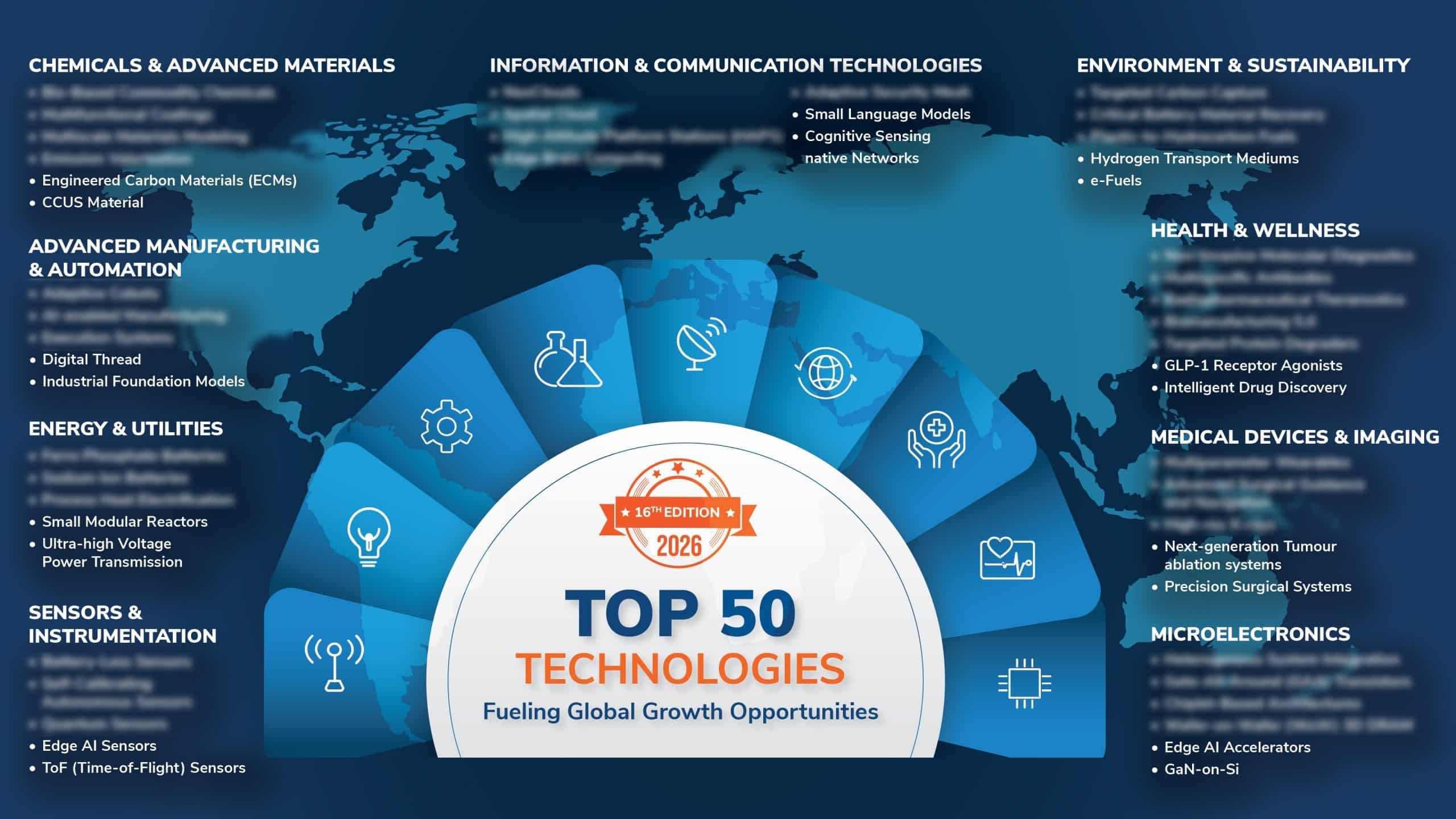
The world is experiencing rapid technological transformation, where innovations that once took decades are now evolving in just a few years or even months. From artificial intelligence to quantum computing and next-generation communication systems, global tech breakthroughs are reshaping industries, economies, and everyday life faster than most people expected. These advancements are not only improving efficiency but also redefining how humans interact with technology, work, and solve problems. Understanding these changes is essential because they are shaping the future of business, communication, healthcare, and global development in real time.
Artificial Intelligence and the Rise of Intelligent Systems
AI-Powered Automation Transforming Industries
Artificial intelligence is one of the most powerful global tech breakthroughs, enabling machines to perform tasks that once required human intelligence. Industries like healthcare, finance, education, and manufacturing are using AI-powered automation to reduce costs and increase efficiency. Businesses now rely on intelligent systems for decision-making, customer service, and predictive analysis, which significantly improves productivity. This shift is also changing job roles, requiring workers to adapt to AI-driven environments.
Machine Learning Improving Decision Accuracy
Machine learning, a core part of AI, allows systems to learn from data and improve over time without being explicitly programmed. This technology is being used to analyze large datasets and identify patterns that humans might miss. As a result, organizations can make more accurate predictions in areas like market trends, disease detection, and consumer behavior. The continuous improvement of machine learning models is making AI systems more reliable and widely adopted across industries.
Generative AI Revolutionizing Content Creation
Generative AI tools are changing how content is created in writing, design, and media production. These systems can produce text, images, music, and even videos in seconds, saving time and resources for creators and businesses. This innovation is especially important for digital marketing, where speed and creativity are essential. As generative AI evolves, it is expected to play a major role in reshaping creative industries and digital communication.
Quantum Computing and the Future of Processing Power
Quantum Systems Solving Complex Problems Faster
Quantum computing represents a major leap in computational power, allowing machines to process information far beyond traditional computers. By using quantum bits, or qubits, these systems can handle complex calculations at unprecedented speeds. This capability is particularly important for scientific research, cryptography, and financial modeling, where traditional computing limits performance.
Breakthroughs in Cryptography and Security
One of the most significant impacts of quantum computing is its effect on cybersecurity. Quantum systems have the potential to break existing encryption methods, which has led to the development of quantum-safe cryptography. At the same time, they are also being used to create highly secure communication systems that are nearly impossible to hack, ensuring stronger digital security in the future.
Accelerating Scientific and Medical Research
Quantum computing is helping researchers simulate molecular structures and chemical reactions more accurately. This advancement is speeding up drug discovery, material science, and climate modeling. Problems that once took years to solve can now be addressed in significantly shorter timeframes, making quantum computing a powerful tool for global innovation.
Next-Generation Connectivity and Digital Infrastructure
5G and Beyond Enhancing Global Communication
The rollout of 5G technology is transforming global communication by providing faster internet speeds and lower latency. This improvement supports advanced applications such as autonomous vehicles, smart cities, and real-time remote collaboration. The next generation of connectivity is expected to further reduce delays and enable seamless digital experiences across devices and platforms.
Internet of Things Expanding Smart Ecosystems
The Internet of Things (IoT) is connecting billions of devices worldwide, allowing them to communicate and share data in real time. Smart homes, wearable devices, and industrial sensors are creating interconnected ecosystems that improve efficiency and convenience. This technology is also helping businesses monitor operations and optimize performance through real-time insights.
Edge Computing Reducing Processing Delays
Edge computing is bringing data processing closer to the source, reducing the need to send information to distant cloud servers. This results in faster response times and improved system performance, especially for applications like autonomous driving and real-time analytics. As data generation continues to grow, edge computing is becoming a crucial part of modern digital infrastructure.
Biotechnology and Human-Centered Innovation
Genetic Engineering Advancing Medical Science
Biotechnology is making groundbreaking progress in genetic engineering, allowing scientists to modify DNA and treat genetic disorders more effectively. This technology is opening new possibilities in personalized medicine, where treatments are tailored to individual genetic profiles. It is also improving disease prevention and expanding our understanding of human biology.
AI in Healthcare Diagnostics and Treatment
Artificial intelligence is increasingly being used in healthcare for early diagnosis and treatment planning. AI systems can analyze medical images, detect diseases at early stages, and suggest treatment options with high accuracy. This is improving patient outcomes and reducing the burden on healthcare professionals, making medical systems more efficient.
Bioprinting and Organ Development Research
Bioprinting technology is exploring the possibility of creating human tissues and organs using 3D printing techniques. Although still in development, this innovation has the potential to solve organ shortage problems and revolutionize transplant medicine. Researchers are continuously improving this technology to make lab-grown organs a reality in the future.
FAQs
What are global tech breakthroughs?
They are major technological innovations that significantly change industries, economies, and daily life on a global scale.
Why is AI considered a major breakthrough?
Because it automates tasks, improves decision-making, and transforms industries through intelligent systems.
How does quantum computing differ from normal computing?
Quantum computing uses qubits, allowing it to solve complex problems much faster than traditional computers.
What is the role of 5G in modern technology?
5G improves internet speed, reduces latency, and supports advanced technologies like IoT and smart cities.
How is biotechnology changing healthcare?
It enables genetic engineering, personalized medicine, and advanced treatments for previously incurable diseases.
Conclusion
Global tech breakthroughs are accelerating at an extraordinary pace, reshaping how the world operates and interacts with technology. From artificial intelligence and quantum computing to biotechnology and next-generation connectivity, these innovations are driving a new digital era. Understanding these changes is essential for adapting to future opportunities and challenges. As technology continues to evolve faster than expected, staying informed and adaptable will be the key to thriving in this rapidly transforming world.